by Divi Flow | Nov 13, 2025 | Food, Lifestyle
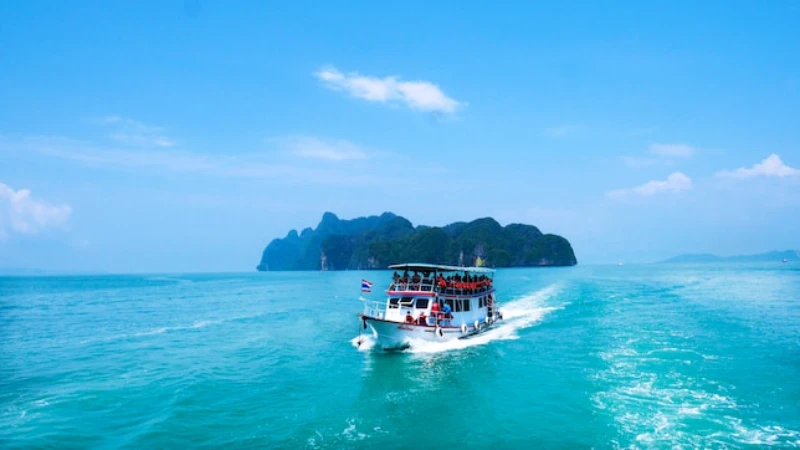
Travel is not just about visiting famous landmarks or ticking off popular destinations. Sometimes, the most memorable experiences are found off the beaten path, in the hidden corners that few travelers notice. Uncovering hidden gems in every corner offers an opportunity to experience authentic culture, taste local food, and create memories that go beyond postcards and tourist guides.
These hidden gems — from tiny cafés tucked in quiet alleys to secluded beaches, family-run restaurants, or local artisans’ workshops — tell stories of a place that remain invisible to most visitors. Discovering them requires curiosity, patience, and a willingness to explore beyond the obvious.
Why Hidden Gems Matter
Hidden gems provide a different perspective on travel. They give you insight into everyday life, local culture, and the subtle beauty of a destination that crowds rarely see.
1. Authentic Cultural Experiences
Hidden gems often reflect the authentic rhythm of a place. Visiting local markets, art studios, or neighborhood cafés allows you to engage with communities in ways that big attractions cannot. You get to see:
- How locals shop, cook, and interact daily
- Unique traditions that aren’t showcased in tourist guides
- The creative expressions of small, passionate communities
Engaging with these environments gives travelers a richer, more nuanced understanding of a destination.
2. Unforgettable Culinary Discoveries
Food is often the heart of hidden gems. Family-run eateries, local bakeries, or street vendors often serve dishes that are authentic, flavorful, and full of history. Tasting these meals connects you to the culture in ways that luxurious restaurants or tourist hotspots rarely achieve.
Tips for finding culinary hidden gems:
- Ask locals for recommendations; they know the best spots.
- Observe where locals gather rather than chasing online reviews.
- Try unusual dishes or traditional recipes unique to the region.
3. Personalized and Intimate Experiences
Unlike crowded tourist attractions, hidden gems offer a slower pace and a more personal touch. You can interact with owners, learn the story behind a dish, craft, or site, and even participate in experiences that larger venues cannot provide.
How to Discover Hidden Gems
Finding hidden gems requires curiosity, a sense of adventure, and a willingness to go beyond the obvious. Here are some strategies:
1. Explore Neighborhoods on Foot
Walking allows you to notice small details — a street mural, a tiny café, or an artisan workshop — that you would miss while rushing or taking public transport. Side streets, narrow alleys, and quiet squares often hold treasures waiting to be discovered.
2. Talk to Locals
Local residents are the best guides. Ask for recommendations, listen to stories, and observe their daily routines. Locals often point you to spots that are beloved in their community but unknown to tourists.
3. Research Small Communities
Sometimes the hidden gems are outside the main city or town. Small villages, coastal hamlets, and rural areas offer authentic experiences of culture, food, and traditions that larger cities cannot replicate.
4. Embrace Serendipity
Not every hidden gem can be found on a map. Some of the most memorable discoveries happen by accident — a quaint bookstore, an unexpected street performance, or a quiet sunset view from a little-known path. Stay open and let curiosity guide your journey.
The Culinary Side of Hidden Gems
Food is a crucial part of uncovering hidden gems. Traditional recipes, local specialties, and family-run eateries provide insight into a region’s history and lifestyle.
1. Street Food Adventures
Street food often represents the culinary heart of a place. Hidden gems in street food can include:
- Regional snacks or sweets passed down through generations
- Unique cooking methods using locally sourced ingredients
- Meals shared communally, giving insight into daily life and traditions
2. Local Restaurants and Cafés
Small restaurants, cafés, or tea houses may not appear in tourist guides but often serve authentic, high-quality food. Visiting them offers:
- Personalized service and interactions with the owners
- Seasonal dishes that highlight local ingredients
- A relaxed atmosphere to experience the culture without rush
3. Food Markets and Artisan Shops
Markets are living museums of local life. From fresh produce to handmade products, they reveal the history, creativity, and resourcefulness of a community. Sampling local specialties or purchasing handcrafted items helps support small businesses and keeps traditions alive.
Photography and Hidden Gems
Hidden gems are also ideal for photography. Unlike crowded tourist spots, these locations allow for creative, intimate shots:
- Candid Moments: Capture locals in their daily activities without the distraction of crowds.
- Unique Angles: Narrow alleys, quirky shops, and secluded spots offer original compositions.
- Food Photography: Documenting traditional meals or market displays tells a story of culture and craftsmanship.
Lifestyle Benefits of Seeking Hidden Gems
Discovering hidden gems enhances travel and lifestyle in multiple ways:
- Curiosity and Adventure: Constantly exploring encourages a mindset of curiosity and openness.
- Mindfulness: Being attentive to small details helps you slow down and appreciate moments fully.
- Connection with Local Culture: Personal interactions foster empathy, understanding, and respect.
- Enrichment Through Discovery: Learning about history, art, and culinary traditions makes travel educational as well as enjoyable.
Practical Tips for Travelers
- Plan Loosely: Allow free time in your itinerary to explore unplanned spots.
- Walk and Observe: Strolling through neighborhoods uncovers gems that are missed from vehicles or guided tours.
- Talk to Locals: Seek recommendations from residents for authentic experiences.
- Stay Flexible: Some hidden gems are seasonal or have limited hours — adaptability is key.
- Engage Fully: Taste, photograph, and participate where possible to make the experience memorable.
Memorable Experiences Through Hidden Gems
Some of the most rewarding travel experiences come from moments you never expected:
- A quiet café tucked in a narrow alley serving a recipe handed down through generations.
- A small art gallery featuring local artists that captures the spirit of the community.
- A secluded beach where the sunset is yours alone, far from tourist crowds.
- A local festival that few outsiders know about, where food, music, and tradition are shared authentically.
These discoveries leave lasting impressions, making your journey unique and deeply personal.
The Transformative Power of Hidden Gems
Seeking hidden gems transforms travel from a checklist activity into a lifestyle of curiosity, mindfulness, and appreciation. Every alley, market, café, or workshop teaches lessons about culture, tradition, and human creativity.
By venturing off the beaten path, travelers develop:
- Empathy and Cultural Awareness: Understanding how locals live, work, and celebrate
- Adaptability and Openness: Learning to embrace surprises and unplanned moments
- A Deeper Connection to Food and Lifestyle: Appreciating how cuisine, craft, and daily life shape a community
Traveling in this way is not just about seeing new places — it is about learning, experiencing, and growing as an individual.
Conclusion
Uncovering hidden gems in every corner turns travel into a rich, personal, and unforgettable experience. From quiet cafés and artisan workshops to local markets and secluded natural spots, these treasures reveal authentic culture, history, and culinary delights that remain invisible to most visitors.
Through curiosity, observation, and meaningful engagement, travelers not only discover the world’s hidden beauty but also enrich their own lifestyle. Every hidden alley, traditional recipe, and unique encounter leaves a lasting impression, creating memories and stories that go beyond typical tourist experiences.
The essence of travel lies in exploration — not just of famous landmarks, but of the unnoticed, the overlooked, and the authentic. By seeking hidden gems, you uncover the heart of a place, gain deeper cultural understanding, and experience a lifestyle filled with curiosity, connection, and appreciation for the world around you.
by Divi Flow | Nov 13, 2025 | Food, Lifestyle
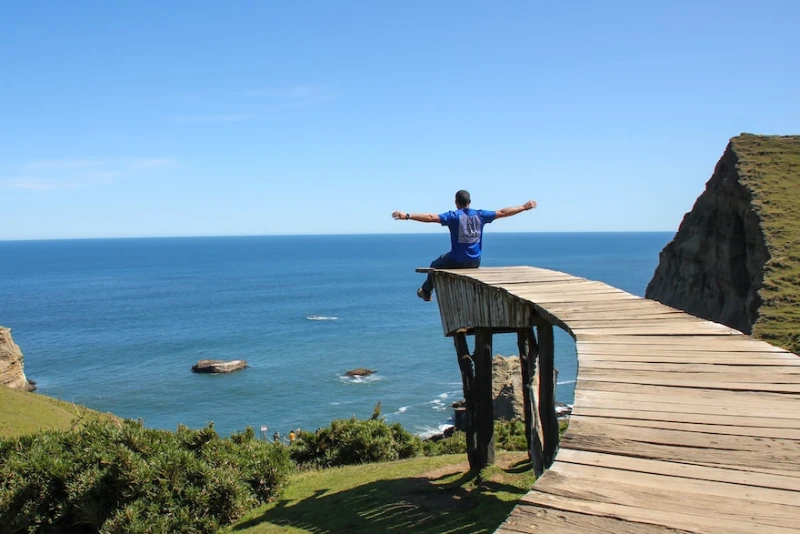
Travel has a unique power: it brings distant and unfamiliar traditions within reach, allowing you to experience cultures firsthand and understand the values, stories, and history behind them. From tasting traditional foods to witnessing age-old ceremonies, travel provides an opportunity to connect with cultural practices that might otherwise feel remote or inaccessible. Beyond exposure, it encourages personal growth, curiosity, and a deeper understanding of the world.
Whether it’s participating in a local festival, trying a traditional dish, or learning the stories behind rituals, travel teaches you to appreciate diversity while shaping your perspective, resilience, and lifestyle.
Experiencing Distant Traditions
Traditions are more than rituals; they are living stories passed down through generations. Observing or participating in them gives travelers insight into the values, beliefs, and social fabric of a community.
1. Festivals and Celebrations
Festivals are one of the most vibrant ways to experience culture. Attending traditional celebrations — whether a colorful harvest festival, a spiritual ceremony, or a historical reenactment — allows you to see customs in action, observe symbolic rituals, and feel the collective energy of a community.
- Participation Matters: Engaging in dances, songs, or rituals (when appropriate) enhances understanding and creates memorable experiences.
- Photography and Observation: Capture moments respectfully, focusing on storytelling rather than just documentation.
2. Culinary Traditions
Food is deeply tied to tradition. Many dishes reflect a community’s history, agriculture, and seasonal practices. Trying traditional recipes connects travelers to cultural narratives:
- Learning how dishes are prepared teaches about historical techniques and local ingredients.
- Sampling street food, family recipes, or festive meals shows how cuisine evolves while preserving heritage.
- Visiting local markets connects you to the heart of culinary traditions, from spices to fresh produce.
3. Art, Craft, and Music
Traditional arts and crafts often carry historical and symbolic meaning. Local artisans and musicians maintain practices that preserve identity and heritage:
- Watching a craftsperson create pottery or weaving textiles reveals techniques passed through generations.
- Listening to traditional music or learning a local dance fosters appreciation for creativity and cultural expression.
Personal Growth Through Cultural Exposure
Engaging with unfamiliar traditions challenges assumptions, encourages empathy, and cultivates personal growth.
1. Openness to New Experiences
Travel teaches you to embrace what is different. By participating in traditions that may initially feel foreign, you learn to step out of comfort zones, overcome hesitation, and approach experiences with curiosity.
2. Cultural Awareness and Respect
Understanding why certain practices exist builds cultural sensitivity. Respecting rituals, observing proper etiquette, and learning the stories behind traditions enrich your travel experience while fostering empathy for others.
3. Adaptability and Flexibility
Experiencing unfamiliar traditions often requires flexibility — from navigating festival crowds to adjusting to different meal practices. These situations enhance problem-solving skills and adaptability, which translate into everyday life.
Combining Food and Traditions
Food is often the gateway to understanding culture. Traditional meals provide insight into history, geography, and community practices.
- Seasonal and Ritual Foods: Many traditions involve special dishes prepared only during certain times of the year or for specific events. Experiencing these meals connects travelers to the cultural rhythm of a place.
- Cooking Classes: Hands-on experiences in preparing traditional foods teach technique, history, and local customs.
- Community Meals: Sharing meals with locals offers stories, laughter, and a chance to participate in traditions in a meaningful way.
Food becomes more than sustenance; it becomes a bridge to understanding heritage and connecting with people.
Observing and Participating Respectfully
While engagement is encouraged, it is important to approach traditions with respect and mindfulness:
- Learn Before Participating: Research the significance and etiquette of rituals or celebrations.
- Ask Permission: Always seek guidance from locals before joining in ceremonies or cultural activities.
- Observe Carefully: Not all traditions are open to outsiders; watch respectfully when necessary.
- Document Ethically: Photography and social media should be used thoughtfully to honor the community’s privacy and values.
Travel as a Lifestyle for Growth
Frequent exposure to different traditions fosters a lifestyle of curiosity, empathy, and continuous learning. Travelers who seek authentic experiences:
- Prioritize Cultural Immersion: They spend time with locals, attend festivals, and participate in workshops.
- Value Food as Culture: Culinary exploration becomes a key aspect of understanding heritage.
- Practice Mindfulness: Being present during cultural rituals deepens appreciation for both people and place.
- Reflect and Record: Journaling or photography helps internalize lessons and experiences.
Emotional Rewards of Engaging With Traditions
Interacting with traditions provides emotional benefits:
- Joy and Wonder: Festivals, rituals, and celebrations evoke excitement and awe.
- Connection: Engaging with locals fosters relationships that create lasting memories.
- Perspective: Experiencing different lifestyles encourages humility, gratitude, and broader worldviews.
Through these emotional rewards, travelers gain a richer, more fulfilling travel experience.
Practical Tips for Travelers
- Research Cultural Norms: Understand historical context and etiquette.
- Try Traditional Foods: Explore dishes unique to festivals or local customs.
- Attend Local Events: Look for parades, music, or craft demonstrations.
- Travel Slowly: Spend more time in a place to absorb culture deeply.
- Engage Locally: Speak with residents, participate in activities, and ask thoughtful questions.
The Transformative Power of Travel
By exploring traditions that once seemed distant, travelers develop a deeper sense of empathy, awareness, and personal growth. Travel teaches patience, curiosity, and adaptability while encouraging appreciation for heritage and human creativity.
Immersing yourself in food, ceremonies, music, and art connects you to history and fosters a lifestyle that values experience over routine. These interactions leave a lasting impact, shaping perspectives and inspiring a lifelong appreciation for cultural diversity.
Conclusion
Travel is a bridge to distant and unfamiliar traditions. By engaging respectfully with local customs, tasting traditional foods, observing rituals, and connecting with communities, travelers gain more than knowledge — they gain perspective, empathy, and personal growth.
Experiences with traditions encourage mindfulness, cultural sensitivity, and lifestyle enrichment, making travel both educational and transformative. Lounging in a local café, participating in a festival, or sharing a traditional meal with locals demonstrates that the world’s heritage is alive, vibrant, and ready to teach anyone willing to explore.
Ultimately, embracing unfamiliar traditions through travel is not only about seeing the world; it’s about growing as an individual, understanding humanity more deeply, and creating a life enriched by curiosity, respect, and meaningful connections.
by Divi Flow | Nov 13, 2025 | Food, Lifestyle
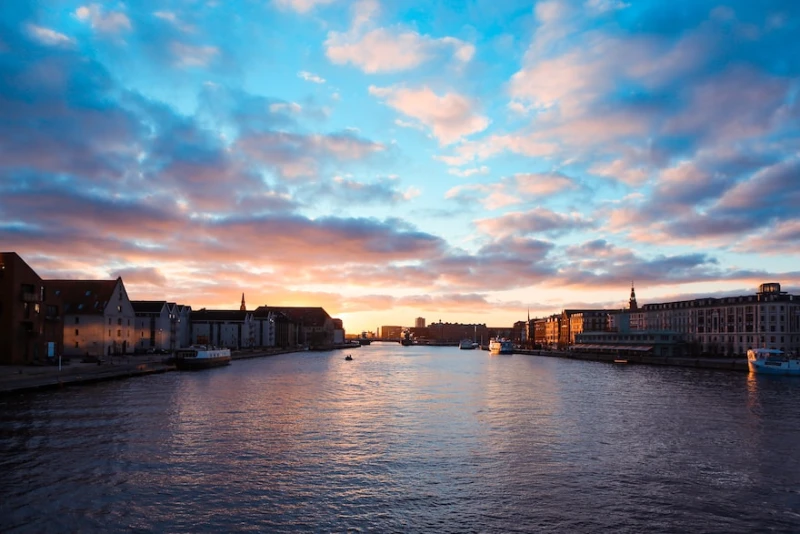
Travel is more than just visiting new destinations — it is an opportunity to connect with people, immerse yourself in different cultures, and understand the stories that shape communities. When you travel, you step into a world of diverse perspectives, tastes, and traditions, giving you a chance to engage with people from different backgrounds and learn about history firsthand. These experiences not only broaden your horizons but also enrich your lifestyle, making travel an adventure for both the mind and soul.
The Importance of Cultural Connection
Meeting locals and learning about their lives adds a depth to travel that sightseeing alone cannot provide. Human connections allow you to experience the essence of a place beyond its landscapes or monuments.
1. Engaging with Local Communities
Spending time with residents, whether through guided tours, workshops, or casual conversations, offers insight into daily life, customs, and traditions. These interactions teach empathy, respect, and understanding, reminding us that while cultures differ, human experiences are universal.
- Participate in community events or festivals.
- Ask questions and listen actively to local stories.
- Attend workshops or classes that highlight local crafts, music, or cooking.
2. Culinary Exchange
Food is a universal language that bridges cultural gaps. Tasting local dishes, cooking with locals, or visiting markets allows you to understand the history and geography behind regional flavors. Every ingredient tells a story: why certain spices are used, how traditional recipes evolved, or how climate and resources shaped the cuisine.
Learning History Through Travel
History is everywhere — in architecture, museums, monuments, and even in the streets where people live and work. Experiencing history in person adds context and emotion that textbooks cannot convey.
1. Historic Sites and Monuments
Visiting castles, ancient ruins, or heritage buildings offers a tangible connection to the past. Standing where historical events unfolded allows you to imagine the lives of those who came before, making history feel alive and relevant.
2. Museums and Galleries
Museums provide curated insights into art, culture, and historical events. While reading or watching documentaries gives knowledge, seeing artifacts, paintings, or exhibits firsthand creates an emotional connection that deepens understanding.
3. Walking Tours and Storytelling
Guided tours often highlight stories that are not in guidebooks. Local guides share anecdotes, myths, and personal experiences that reveal the cultural and historical significance of a place. Walking the streets where history unfolded allows travelers to experience the rhythm of past eras.
Combining Food, History, and Culture
Food often reflects history and culture. Traditional recipes are passed down through generations, blending local ingredients with historical influences. Exploring food while learning history adds a multi-dimensional understanding of a place.
- Try dishes that have been part of local traditions for centuries.
- Visit markets that have existed for generations and witness how trade shaped local cuisine.
- Attend cooking classes where you learn recipes rooted in historical and cultural contexts.
For example, Mediterranean dishes reflect centuries of trade, migration, and cultural exchange, while street foods in Asia often trace back to historical street vendors and regional traditions. Through tasting and understanding, food becomes a lens to explore history and culture.
Enhancing Your Travel Experience Through Connection
To fully appreciate history and culture, focus on meaningful engagement rather than simply observing:
- Conversations Over Observation
Talking with locals about their experiences, traditions, and history provides insights that cannot be learned from guidebooks.
- Participate in Local Activities
Join workshops, craft sessions, or cooking classes to experience traditions firsthand.
- Ask Questions Respectfully
Curiosity is welcomed when paired with respect. Asking about customs, festivals, and historical events creates deeper understanding.
- Observe Daily Life
Sometimes, everyday moments reveal more about culture and history than formal tours — children playing in historic squares, elders sharing stories, or market vendors interacting with customers.
Photography and Storytelling
Capturing moments during your travels preserves memories and allows you to share cultural and historical insights:
- People: Portraits of locals (with permission) highlight the diversity of human experiences.
- Places: Historic buildings, streets, and monuments document the past visually.
- Food: Photos of traditional dishes tell stories of culture, geography, and history.
Photography combined with journaling creates a travel diary that captures both the tangible and intangible aspects of your journey.
The Lifestyle Benefits of Connecting with People and History
Traveling to connect with others and learn history positively impacts your lifestyle:
- Broader Perspective
Understanding different lifestyles and historical contexts fosters empathy and global awareness.
- Cultural Appreciation
Direct experience of customs, traditions, and cuisine enhances respect for diversity.
- Personal Growth
Navigating unfamiliar social and historical environments encourages adaptability, curiosity, and lifelong learning.
- Mindfulness and Reflection
Immersing yourself in other cultures and historical narratives encourages observation, patience, and thoughtful reflection.
Practical Tips for Meaningful Cultural Travel
- Research Before Traveling
Understand the historical context and cultural norms of the destination to appreciate your experiences fully.
- Engage With Locals
Take time to converse, ask questions, and participate in local activities.
- Combine Food and History
Explore traditional dishes and learn about their historical significance.
- Be Respectful
Respect cultural norms, traditions, and historical sites to ensure a positive experience for yourself and others.
- Stay Open-Minded
Approach new cultures and historical narratives with curiosity and without judgment.
Memorable Experiences
Some of the most rewarding travel experiences come from moments of genuine connection and historical insight:
- Sharing a meal with a local family and learning the story behind their recipe.
- Walking through ancient ruins while imagining the lives of those who built them centuries ago.
- Participating in a local festival that has been celebrated for generations.
These experiences create lasting memories and deepen your understanding of both people and the world’s rich history.
Conclusion
Travel is an invitation to step beyond your familiar world, connect with people from different backgrounds, and learn about the history that shaped their lives. By engaging with locals, exploring historic sites, and tasting traditional foods, you gain more than knowledge — you develop empathy, cultural awareness, and appreciation for the diverse stories that define our world.
Connecting with people and history transforms travel from a simple escape into a meaningful lifestyle experience. It nurtures curiosity, mindfulness, and creativity while leaving you with memories and lessons that endure long after your journey ends.
Ultimately, the beauty of travel lies in the relationships you form, the histories you uncover, and the flavors you savor — all of which enrich your perspective, deepen your understanding of the world, and inspire a lifestyle filled with curiosity, exploration, and appreciation.
by Divi Flow | Nov 13, 2025 | Food, Lifestyle
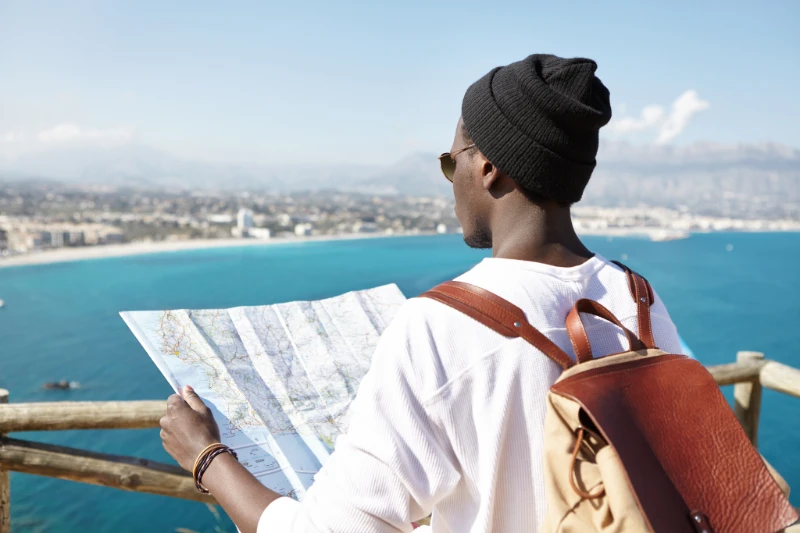
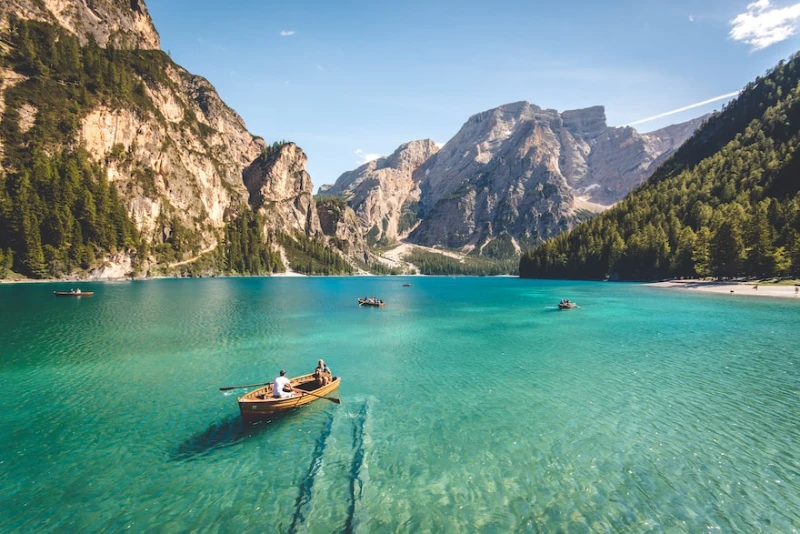
Travel is more than a journey from one place to another. It is a gateway to discovering the breathtaking landscapes, rich cultures, and diverse cuisines that make our planet so extraordinary. Through travel, you can gain a greater appreciation for the world's natural beauty while immersing yourself in experiences that awaken your senses, inspire creativity, and provide lasting memories.
From wandering through lush forests and serene beaches to exploring local food markets and tasting exotic dishes, travel allows you to connect deeply with both nature and culture. Every moment spent in new surroundings teaches lessons about patience, observation, and mindfulness, revealing that the world’s beauty is everywhere — waiting to be noticed and appreciated.
Connecting with Nature Through Travel
Nature has a way of captivating the soul. Mountains, oceans, forests, deserts, and waterfalls each tell their own story and leave lasting impressions on those who witness them firsthand.
1. Mountains and Landscapes
Standing at the foot of a towering mountain or gazing at a sweeping valley provides perspective on life. The sheer scale, colors, and textures of landscapes often cannot be captured fully in photographs or videos — they must be experienced in person.
Tips for appreciating mountain landscapes:
- Arrive early to enjoy sunrise and soft natural light.
- Take time to hike or walk in nature; moving through the environment allows deeper observation.
- Bring a journal or camera to capture moments, but don’t forget to simply absorb the view without distractions.
2. Beaches and Coastal Beauty
Pristine beaches, with their gentle waves and soft sands, offer a sensory escape. Listening to the rhythm of the ocean or collecting seashells can be both calming and reflective. Each beach, from tropical islands to rugged coastlines, has its own character and story.
3. Forests and Wildlife
Dense forests, jungles, and natural reserves provide opportunities to observe wildlife, diverse plant life, and ecological systems. Trekking through these environments teaches patience, attentiveness, and respect for the delicate balance of nature.
Food and Natural Culture
Traveling is also a journey through flavors. Local cuisine often reflects the natural environment, climate, and culture of a region. By exploring food, travelers gain insight into both human creativity and the natural resources that inspire it.
1. Farm-to-Table Experiences
Visiting farms, orchards, and coastal markets connects travelers directly with the sources of their meals. Seeing fruits harvested, seafood prepared, or spices grown offers appreciation for the work, skill, and environment that produce our food.
2. Local Culinary Traditions
Tasting traditional dishes — from street food to homemade recipes — gives context to a region’s culture and geography. Ingredients often reflect local climate and natural resources, creating flavors that are both authentic and unique.
Tips for culinary travel:
- Ask locals for food recommendations; hidden gems often go unnoticed by tourists.
- Observe cooking techniques and flavors; it’s a cultural and educational experience.
- Document your experiences through photos or journals to remember and share.
Mindfulness and Presence in Travel
Traveling encourages mindfulness, which is key to appreciating the world’s natural beauty. Paying attention to your surroundings allows you to see details that might otherwise go unnoticed.
1. Engaging the Senses
- Sight: Notice colors, textures, and patterns in nature — the sparkle of a waterfall, the gradient of a sunset, or the intricate lines of tree bark.
- Sound: Listen to the natural sounds — birds, waves, wind, or rustling leaves.
- Smell and Taste: Experience local scents and flavors, from fresh herbs in a market to the salty ocean air.
2. Slowing Down
Rushing through travel prevents you from fully appreciating natural beauty. Slow travel, which involves spending more time in fewer places, allows deeper connection with both environment and culture.
3. Reflection
Journaling, sketching, or simply sitting quietly in nature helps you internalize your experiences. Reflection strengthens your connection to the world and enhances gratitude for its wonders.
Photography and Capturing Nature
Photography is an excellent companion for travel. It allows you to freeze moments, study details, and share experiences with others.
- Landscapes: Capture mountains, rivers, beaches, and forests at different times of day to show changing light and moods.
- Wildlife: Respect ethical boundaries and maintain distance while photographing animals in their natural habitat.
- Local Life: Photograph farmers, chefs, or market vendors to connect food with the natural environment it comes from.
Tip: Balance photography with presence. Sometimes the most memorable experiences are those you fully live rather than photograph.
Experiencing Diversity Through Nature and Culture
Traveling across regions and countries exposes you to diverse ecosystems and cultural practices. Each environment has its own beauty, challenges, and rhythms.
- Deserts: Expansive sand dunes and sunsets teach awe in simplicity and minimalism.
- Rainforests: Dense foliage and biodiversity demonstrate complexity and resilience in nature.
- Coastal Regions: Beaches and cliffs highlight harmony between land and water, as well as culinary traditions tied to local seas.
Similarly, cultural diversity enhances appreciation for human ingenuity and creativity, from regional recipes to architectural styles inspired by the natural environment.
Lifestyle Benefits of Appreciating Natural Beauty
Regularly engaging with natural beauty and travel experiences improves both mental and physical well-being:
- Stress Reduction: Time in nature and away from urban routines decreases anxiety and promotes relaxation.
- Creativity: Experiencing new environments and flavors stimulates imagination and problem-solving.
- Connection and Empathy: Observing the world with awareness fosters respect for people, wildlife, and ecosystems.
- Physical Health: Hiking, walking, swimming, or exploring markets improves fitness naturally.
Travel combines lifestyle, nature, and food into a holistic experience that nourishes body, mind, and soul.
Tips for Experiencing Nature and Culture Fully
- Plan, But Stay Open: Research locations, but allow spontaneous experiences to guide your journey.
- Engage with Locals: Conversations with residents reveal cultural and environmental insights unavailable in guidebooks.
- Sustainable Travel: Respect ecosystems, avoid littering, and support local communities.
- Document Experiences: Photography, journaling, or sketching helps retain memories while encouraging observation.
- Balance Exploration and Rest: Allow time to enjoy scenery, taste local dishes, and reflect on experiences.
The Transformative Power of Travel
Travel transforms the way we perceive the world. Witnessing natural beauty firsthand reminds us of life’s vastness, diversity, and fragility. Engaging with culture and cuisine deepens appreciation for human creativity and adaptability.
By traveling mindfully and embracing both nature and food, you cultivate gratitude, awareness, and a richer understanding of life. Each journey leaves an imprint, inspiring curiosity and encouraging exploration in future adventures.
Conclusion
Through travel, you gain more than memories; you gain perspective. Observing mountains, beaches, forests, and deserts allows you to appreciate the natural world’s wonders. Exploring local markets, tasting regional dishes, and engaging with cultural practices deepen your understanding of human ingenuity and traditions.
Travel encourages mindfulness, fosters creativity, and nurtures a lifestyle that values both discovery and relaxation. Whether you’re lounging on a beach, trekking through a forest, or savoring a meal in a local eatery, each moment of travel teaches you to see, feel, and appreciate the world more fully.
In the end, travel is not just about the places you go — it’s about the experiences you embrace, the lessons you learn, and the beauty you carry with you long after the journey ends. Through travel, you truly gain a greater appreciation for the world’s natural beauty — and for life itself.
by Divi Flow | Nov 13, 2025 | Food, Lifestyle
Travel has a magical way of transporting us from the familiar into the extraordinary. Lounging on a pristine beach, feeling the sand between your toes, listening to the gentle crash of waves, or walking through a bustling food market halfway across the world — all these experiences offer an escape from the ordinary and open the door to adventure, exploration, and self-discovery.
Travel is more than just sightseeing. It is about immersing yourself in new environments, tasting unfamiliar flavors, and connecting with people and cultures in ways that change the way you see the world. The combination of relaxation, exploration, and culinary experiences makes travel an enriching lifestyle choice for those who seek both pleasure and personal growth.
The Allure of Pristine Beaches
Nothing compares to the calm and serenity of a pristine beach. The sound of waves, the warmth of the sun, and the vast horizon create a sense of peace that is hard to find anywhere else.
1. Relaxation and Mental Reset
Spending time by the ocean helps reset the mind. The rhythmic sound of waves is naturally calming, reducing stress and promoting mindfulness. Whether reading a book, meditating, or simply watching the horizon, the beach provides an environment to recharge.
2. Photography and Natural Beauty
Pristine beaches also offer perfect opportunities for photography. Soft morning light, golden sunsets, and reflections on wet sand create picturesque scenes. Capturing these moments allows travelers to preserve memories and share the beauty of nature with others.
Tips for beach photography:
- Use natural light to enhance the colors of the sand, water, and sky.
- Capture reflections in wet sand or tide pools.
- Include human elements, like footprints or beach activities, to tell a story.
Culinary Adventures While Traveling
Travel and food are inseparable. Every journey is an opportunity to taste the local cuisine and explore culinary traditions that reveal culture and history.
1. Local Markets and Street Food
Exploring food markets is a travel experience in itself. The sights, sounds, and aromas of bustling markets provide insight into local life. Street food offers authentic flavors that often surpass high-end restaurants. From freshly made pastries to exotic fruits and local delicacies, every bite tells a story.
Tips for food exploration:
- Ask locals for recommendations — they know the best hidden gems.
- Try dishes you’ve never heard of; it’s part of the adventure.
- Observe cooking techniques; sometimes the preparation is as fascinating as the food itself.
2. Cooking Classes and Culinary Workshops
For travelers who love hands-on experiences, cooking classes offer a chance to learn local recipes directly from experts. Not only do these sessions provide practical skills, but they also deepen cultural understanding.
Combining Relaxation and Exploration
Travel offers the perfect balance of relaxation and discovery. Lounging on a beach allows you to unwind, while exploring nearby towns, cultural sites, or food markets keeps your mind engaged.
1. Mindful Exploration
Being present is essential while traveling. Take the time to notice details — the colors of coral in shallow waters, the texture of fresh bread at a bakery, or the rhythm of local music in a square. Mindful exploration turns ordinary sightseeing into a richer, more memorable experience.
2. Adventure Meets Comfort
The juxtaposition of adventure and comfort is what makes travel so fulfilling. You can hike through lush forests, snorkel in crystal-clear waters, and then relax on a beach with a fresh coconut in hand. Travel allows you to experience extremes and contrasts, creating memories that stay with you forever.
Benefits of Travel for Lifestyle and Health
Traveling, especially when combined with food and relaxation, has several lifestyle and health benefits:
- Stress Reduction: Spending time in nature or by the beach lowers cortisol levels and reduces anxiety.
- Enhanced Creativity: Experiencing new cultures, landscapes, and foods stimulates creativity and broadens perspective.
- Cultural Awareness: Interacting with locals and experiencing different traditions fosters empathy and understanding.
- Physical Health: Walking on beaches, hiking trails, or exploring markets promotes fitness while being enjoyable.
Photography as a Travel Companion
Travel photography captures both relaxation and exploration. From serene beach landscapes to vibrant food markets, photography helps document experiences and share them with others.
Tips for capturing lifestyle and food while traveling:
- Use natural light whenever possible, especially for food photography.
- Incorporate environmental elements — a bustling market, waves, or street activity — to provide context.
- Experiment with perspectives; overhead shots for dishes and low angles for beach landscapes can create striking visuals.
Food and Travel: A Cultural Connection
Food is a bridge between cultures. Sampling local dishes connects travelers to history, geography, and community traditions.
- Taste as a Story: Each meal tells a story — ingredients reflect local agriculture, flavors mirror cultural preferences, and preparation methods reveal history.
- Shared Experiences: Enjoying food with locals or fellow travelers fosters connection and shared memories.
- Learning Opportunities: Tasting new dishes often sparks curiosity about cooking methods, spices, and flavors that can inspire home cooking.
Planning a Balanced Travel Experience
To maximize the benefits of travel, balance relaxation, exploration, and culinary adventures:
- Schedule Flexibility: Include downtime on beaches or in quiet cafes to rest and recharge.
- Mix Activities: Alternate between sightseeing, cultural immersion, and relaxation.
- Engage Locally: Eat at local restaurants, explore markets, and join workshops to connect with culture.
- Prioritize Experiences: Focus on meaningful experiences rather than trying to see everything.
The Emotional Rewards of Travel
Traveling, especially with the combination of lifestyle, relaxation, and food, leaves a lasting impact:
- Joy and Satisfaction: Discovering new places, tasting unique flavors, and enjoying natural beauty evoke deep happiness.
- Memories and Stories: Every experience becomes a memory that you can revisit and share.
- Personal Growth: Facing new environments, trying new foods, and exploring unknown territories enhance confidence and adaptability.
Travel as a Lifestyle Choice
For many, travel evolves from a temporary escape into a lifestyle. Those who prioritize experiences over possessions and exploration over routine find themselves more connected, inspired, and fulfilled.
- Slow Travel: Spending longer periods in one place allows for deeper connection with the environment and culture.
- Culinary Travel: Focusing on food and local cuisine enriches your understanding of culture and lifestyle.
- Mindful Travel: Embracing experiences fully — whether lounging on a beach, exploring a market, or tasting local dishes — enhances the quality of every moment.
Conclusion
Lounging on a pristine beach, exploring local markets, tasting regional delicacies — travel offers an escape from the ordinary and an opportunity to engage with the world in meaningful ways. By combining relaxation, adventure, and culinary exploration, travel enriches life, fosters personal growth, and creates lasting memories.
Every journey, whether spent lounging by the ocean, wandering through bustling streets, or enjoying new flavors, teaches lessons in mindfulness, cultural awareness, and appreciation for the beauty around us. Travel is more than a pastime; it is a lifestyle, an education, and a source of joy that broadens perspectives and nurtures the soul.
Embrace travel not just as a break from routine, but as an opportunity to explore, taste, learn, and grow — one beach, one meal, and one moment at a time.