Top 10 Medical Innovations Changing Healthcare in 2025

Top 10 Medical Innovations Changing Healthcare in 2025

Top 10 Medical Innovations Changing Healthcare in 2025

Healthcare is evolving faster than ever, and 2025 marks a turning point where cutting-edge technology, scientific breakthroughs, and innovative practices are transforming patient care worldwide. From early diagnostics to advanced treatment methods, these innovations are improving outcomes, increasing efficiency, and reshaping how we think about health. Let’s explore the top 10 medical innovations changing healthcare in 2025 and why they matter.

1. Artificial Intelligence (AI) and Machine Learning in Diagnostics

Artificial Intelligence (AI) and machine learning are revolutionizing medical diagnostics. By analyzing vast amounts of data—from medical images to patient histories—AI systems can detect patterns and predict diseases with incredible accuracy. For example, AI can analyze CT scans, X-rays, and MRIs faster than humans, often identifying subtle abnormalities that might be missed by traditional methods.

Why it matters: Early and accurate detection of diseases such as cancer, cardiovascular disorders, and neurological conditions allows for timely interventions, improving survival rates and patient outcomes.

Key examples:

  • AI-powered imaging tools for radiology and pathology
  • Predictive algorithms for patient risk assessment
  • Virtual assistants helping doctors prioritize cases

2. Genomics, Gene Editing, and Precision Medicine

Genomic medicine and gene-editing technologies like CRISPR are enabling highly personalized treatment plans. By analyzing a patient’s genetic makeup, doctors can tailor medications and therapies to maximize effectiveness while minimizing side effects.

Why it matters: Precision medicine is moving healthcare away from a “one-size-fits-all” model toward treatments designed specifically for an individual’s DNA, lifestyle, and environment.

Key examples:

  • Gene therapy for rare inherited disorders
  • Personalized cancer vaccines
  • mRNA treatments beyond vaccines, targeting diseases such as cancer and autoimmune disorders

3. Wearable Devices and Remote Patient Monitoring

Wearables are no longer simple fitness trackers—they are now essential medical tools. Modern devices monitor heart rate, blood pressure, glucose levels, oxygen saturation, and even sleep quality. This data is sent to healthcare providers in real time, enabling continuous monitoring.

Why it matters: Chronic disease management improves, hospital admissions decrease, and early intervention becomes possible before conditions escalate.

Key examples:

  • Continuous glucose monitors for diabetes management
  • Smart patches tracking vital signs in cardiac patients
  • Remote telemetry for post-operative recovery monitoring

4. Telemedicine and Virtual Care

Telemedicine has grown exponentially, offering patients remote consultations, virtual checkups, and mental health support. In 2025, telemedicine is integrated with AI diagnostics, wearable data, and real-time patient monitoring, making care more efficient and accessible.

Why it matters: Telemedicine reduces the need for in-person visits, saves time, and expands access to healthcare for people in remote or underserved areas.

Key examples:

  • Virtual follow-ups for chronic disease management
  • Telepsychiatry for mental health support
  • Integration with electronic health records (EHRs) for seamless care

5. Robotics and Minimally Invasive Surgery

Robotic-assisted surgery is becoming more advanced, allowing surgeons to perform complex procedures with higher precision and smaller incisions. This reduces patient trauma, shortens recovery times, and lowers the risk of complications.

Why it matters: Patients experience faster healing, fewer hospital stays, and better surgical outcomes.

Key examples:

  • Robotic-assisted orthopedic surgeries
  • Precision tumor removal in oncology
  • Microsurgery and delicate cardiovascular procedures

6. 3D Bioprinting and Regenerative Medicine

3D bioprinting is revolutionizing organ and tissue creation. Scientists can now print scaffolds for tissue regeneration, vascularized implants, and even experimental organ replacements. Combined with regenerative medicine, these technologies may reduce organ transplant shortages and allow for patient-specific implants.

Why it matters: This innovation has the potential to save lives, reduce transplant waitlists, and improve recovery from severe injuries.

Key examples:

  • 3D-printed spinal implants
  • Bioprinted skin for burn patients
  • Lab-grown organ tissues for research and transplantation

7. Smart Hospitals, IoT, and Digital Twins

Hospitals are becoming “smart” with the integration of IoT sensors, automated systems, and digital twin technology. Digital twins create virtual replicas of hospital operations to optimize workflow, resource allocation, and patient care.

Why it matters: Smart hospitals improve operational efficiency, reduce errors, and enhance patient experience while ensuring better infection control and safety.

Key examples:

  • UV-disinfection robots
  • Sensors tracking patient movements and equipment
  • Digital twin simulations to optimize hospital staffing and bed occupancy

8. Advanced Drug Discovery and Nanomedicine

AI-driven drug discovery and nanotechnology are accelerating the development of new therapies. Nanomedicine allows drugs to target diseased cells directly, minimizing side effects and improving effectiveness.

Why it matters: Faster drug development means quicker access to life-saving treatments and more precise targeting of diseases.

Key examples:

  • AI-designed antibiotics for drug-resistant bacteria
  • Nanoparticle-based cancer treatments
  • Personalized medication delivery systems

9. Virtual Reality (VR) and Augmented Reality (AR) in Healthcare

VR and AR are transforming medical education, surgery, and patient therapy. VR provides immersive training for surgeons, while AR overlays real-time data during operations. VR is also used for rehabilitation, pain management, and mental health therapies.

Why it matters: These technologies improve training outcomes, reduce surgical errors, and offer innovative treatment modalities.

Key examples:

  • AR-guided orthopedic surgeries
  • VR rehabilitation for stroke patients
  • Pain management using immersive VR experiences

10. Neurotechnology and Bioelectronic Medicine

Neurotechnology and bioelectronic medicine focus on interfacing electronics with the nervous system. Brain-computer interfaces (BCIs) and nerve-stimulating devices are helping treat conditions like epilepsy, chronic pain, and paralysis.

Why it matters: These innovations open new treatment avenues for conditions that were previously difficult or impossible to manage, improving quality of life for many patients.

Key examples:

  • Implantable devices regulating organ function
  • Non-invasive brain stimulation for mood disorders
  • BCIs restoring mobility in patients with spinal cord injuries

Conclusion

The healthcare landscape in 2025 is being transformed by these ten groundbreaking innovations. From AI-driven diagnostics and precision medicine to robotics, 3D bioprinting, and neurotechnology, these advancements are improving patient outcomes, increasing efficiency, and making healthcare more personalized and accessible than ever before.

As technology continues to evolve, the healthcare sector will see even greater integration of digital tools, predictive analytics, and personalized treatment solutions. Staying informed about these innovations is essential for healthcare providers, patients, and anyone interested in the future of medicine.

In 2025, healthcare isn’t just about treatment—it’s about transformation, prediction, and prevention. The innovations listed above are leading the way toward a smarter, healthier world.

The Future of Telemedicine: How Virtual Care is Saving Lives

The Future of Telemedicine: How Virtual Care is Saving Lives

Telemedicine has rapidly evolved from a convenience into a critical component of modern healthcare. By leveraging digital technology, telemedicine enables patients and healthcare providers to connect remotely, breaking down barriers of distance, time, and accessibility. In 2025, virtual care is no longer a futuristic concept—it is actively saving lives, improving patient outcomes, and reshaping the healthcare landscape.

What Is Telemedicine?

Telemedicine, also known as virtual care, refers to the delivery of medical services remotely using technology such as video consultations, mobile health apps, and remote monitoring devices. Telehealth platforms allow patients to receive care without physically visiting a clinic or hospital. While initially used for convenience, telemedicine has grown into a lifesaving tool, particularly in situations where immediate care or ongoing monitoring is required.

Key Benefits of Telemedicine

  1. Increased Access to Care
    One of the most significant advantages of telemedicine is its ability to provide healthcare access to people in remote or underserved areas. Patients who live far from hospitals, have mobility challenges, or face transportation barriers can consult healthcare providers from home.

Why it matters: Timely access to medical advice can prevent conditions from worsening and reduce the need for emergency care.

  1. Early Detection and Monitoring
    Telemedicine platforms often integrate with wearable devices and remote monitoring tools. Patients with chronic conditions like diabetes, hypertension, or heart disease can share real-time data with their healthcare providers. This allows for early intervention if readings indicate a problem.

Why it matters: Early detection of abnormalities can prevent life-threatening complications and hospitalizations.

  1. Cost-Effective Healthcare
    Virtual care reduces costs for both patients and healthcare systems. Fewer in-person visits mean reduced travel expenses, less time off work, and lower overhead for clinics.

Why it matters: Affordable access encourages regular checkups and ongoing disease management, ultimately improving long-term health outcomes.

  1. Enhanced Patient Engagement
    Telemedicine encourages patients to take an active role in their health. Digital tools provide reminders for medications, lifestyle tracking, and educational resources, fostering healthier behaviors.

Why it matters: Increased patient engagement leads to better adherence to treatment plans and improved overall wellness.


How Telemedicine Saves Lives

  1. Emergency Consultations
    In situations where immediate medical attention is needed, telemedicine can provide instant guidance. For example, stroke or cardiac patients in rural areas can receive rapid consultation from specialists, who can instruct on immediate measures while arranging emergency transport.
  2. Chronic Disease Management
    Chronic diseases like diabetes, hypertension, and COPD require continuous monitoring. Telemedicine allows healthcare providers to track vital signs remotely, detect warning signs early, and adjust treatment plans in real time.
  3. Mental Health Support
    Telepsychiatry has become a critical lifeline for patients experiencing anxiety, depression, or other mental health conditions. Virtual counseling sessions can reduce the risk of crises and provide ongoing support for those who might otherwise avoid in-person therapy.
  4. Post-Surgical Follow-Up
    After surgery, patients can consult their surgeons virtually for wound checks, symptom updates, and medication adjustments. This reduces complications, prevents unnecessary readmissions, and allows faster recovery.
  5. Pandemic and Outbreak Response
    Telemedicine proved invaluable during the COVID-19 pandemic by reducing exposure risks, providing remote triage, and maintaining healthcare services when hospitals were overwhelmed. In future outbreaks, virtual care will continue to play a critical role in saving lives and limiting disease spread.

Emerging Technologies in Telemedicine

  1. Artificial Intelligence (AI) and Predictive Analytics
    AI tools analyze patient data to predict potential health risks, detect early signs of disease, and recommend personalized interventions. AI-driven virtual assistants can triage patients, ensuring those with urgent needs receive immediate attention.
  2. Wearable Health Devices
    Smartwatches, continuous glucose monitors, and heart rate trackers feed real-time data to telehealth platforms. Providers can detect irregularities such as arrhythmias or abnormal glucose spikes before they become dangerous.
  3. Virtual Reality (VR) and Augmented Reality (AR)
    VR and AR are being integrated into telemedicine for surgical planning, rehabilitation, and pain management. For instance, patients recovering from strokes can engage in virtual exercises guided by remote therapists, accelerating recovery.
  4. Mobile Health Applications
    Mobile apps provide scheduling, reminders, and health education while enabling patients to report symptoms, upload images, and communicate with providers instantly.
  5. Electronic Health Records (EHR) Integration
    Telemedicine platforms integrated with EHRs allow doctors to access comprehensive patient histories, lab results, and imaging, facilitating accurate diagnosis and treatment recommendations.

Challenges and Considerations

Despite its advantages, telemedicine faces some challenges:

  • Connectivity Issues: Rural and underserved areas may lack reliable internet access, limiting the effectiveness of virtual care.
  • Data Security and Privacy: Handling sensitive health information digitally requires robust cybersecurity measures to prevent breaches.
  • Regulatory Hurdles: Telemedicine regulations vary by region, affecting licensure, reimbursement, and prescribing practices.
  • Quality of Care: While telemedicine is highly effective for many conditions, certain diagnoses and treatments still require in-person evaluation.

Healthcare systems are actively addressing these challenges to make virtual care safer, more accessible, and more effective.


The Future of Telemedicine

The future of telemedicine is bright. In the next decade, we can expect:

  • Expanded Access Globally: Telemedicine will bridge gaps in healthcare access worldwide, particularly in low-resource regions.
  • Integration with AI and Genomics: Virtual care will incorporate predictive analytics and personalized treatment plans based on genetic information.
  • Hybrid Care Models: Combining virtual consultations with in-person care will become the standard, offering the best of both worlds.
  • Advanced Remote Monitoring: Devices will continuously track vital signs, detect anomalies, and automatically alert healthcare providers.
  • Population Health Management: Telemedicine will enable large-scale monitoring of communities, improving public health interventions and outbreak control.

Conclusion

Telemedicine is no longer just a convenience—it is a lifesaving tool transforming healthcare. By increasing access, enabling early detection, managing chronic diseases, and supporting mental health, virtual care is actively saving lives every day.

As technology advances, telemedicine will become even more sophisticated, integrating AI, wearables, VR/AR, and predictive analytics to provide personalized, proactive, and preventive care. For patients, this means better outcomes, faster interventions, and improved quality of life.

The future of healthcare is digital, and telemedicine is at the forefront—bringing medical expertise to the patient’s fingertips, wherever they are.

In 2025 and beyond, virtual care is not just shaping the future of medicine—it is saving lives, one consultation at a time.

Preventive Healthcare: Why Early Checkups Matter More Than Ever

Preventive Healthcare: Why Early Checkups Matter More Than Ever

Here’s a detailed English-language post content for your title “Preventive Healthcare: Why Early Checkups Matter More Than Ever”, written in a clear, informative style and around 1500 words:


Preventive Healthcare: Why Early Checkups Matter More Than Ever

In today’s fast-paced world, healthcare is no longer just about treating illnesses—it’s about preventing them before they become serious. Preventive healthcare, which emphasizes regular checkups, screenings, and healthy lifestyle habits, is transforming the way we approach wellness. Early detection through preventive care can save lives, reduce medical costs, and improve overall quality of life.

What Is Preventive Healthcare?

Preventive healthcare involves measures taken to prevent diseases rather than treating them after they occur. This can include routine medical checkups, immunizations, screenings, lifestyle counseling, and patient education. The goal is to identify potential health risks early and intervene before conditions escalate into chronic or life-threatening diseases.

The Importance of Early Checkups

  1. Early Detection of Diseases
    Regular checkups help identify health issues before symptoms appear. Conditions like high blood pressure, diabetes, and cholesterol problems often develop silently but can be detected through routine tests.

Why it matters: Detecting diseases early increases the chances of successful treatment and reduces the risk of complications.

  1. Preventing Chronic Conditions
    Many chronic diseases, such as heart disease, kidney problems, and cancer, can be prevented or managed effectively with early intervention. Screening tests allow healthcare providers to recommend lifestyle changes or medications that prevent disease progression.
  2. Reducing Healthcare Costs
    Preventive care often saves money in the long term. Treating advanced-stage diseases is far more expensive than addressing health risks early. Regular checkups can help avoid emergency visits, hospitalizations, and complex treatments.
  3. Promoting Healthy Lifestyle Choices
    Preventive healthcare encourages patients to adopt healthier habits, including better nutrition, regular exercise, and stress management. Health professionals provide guidance tailored to individual risk factors.
  4. Mental Health Benefits
    Checkups aren’t just about physical health. Preventive visits can also screen for mental health issues like depression and anxiety, enabling timely intervention and support.

Common Preventive Checkups

  1. General Physical Exams
    Routine physical exams assess overall health, including weight, blood pressure, heart rate, and basic organ function. They help detect early signs of diseases and provide a baseline for future assessments.
  2. Blood Tests
    Common blood tests such as Complete Blood Count (CBC), lipid profile, and blood sugar levels provide insight into overall health and detect conditions like anemia, diabetes, and high cholesterol.
  3. Cancer Screenings
    Early screenings for cancers, including breast, cervical, prostate, and colon cancer, significantly improve survival rates. Mammograms, Pap smears, colonoscopies, and PSA tests are standard preventive measures.
  4. Vaccinations and Immunizations
    Vaccines protect against infectious diseases like influenza, hepatitis, and COVID-19. Staying up to date with immunizations is a critical component of preventive care.
  5. Dental and Eye Exams
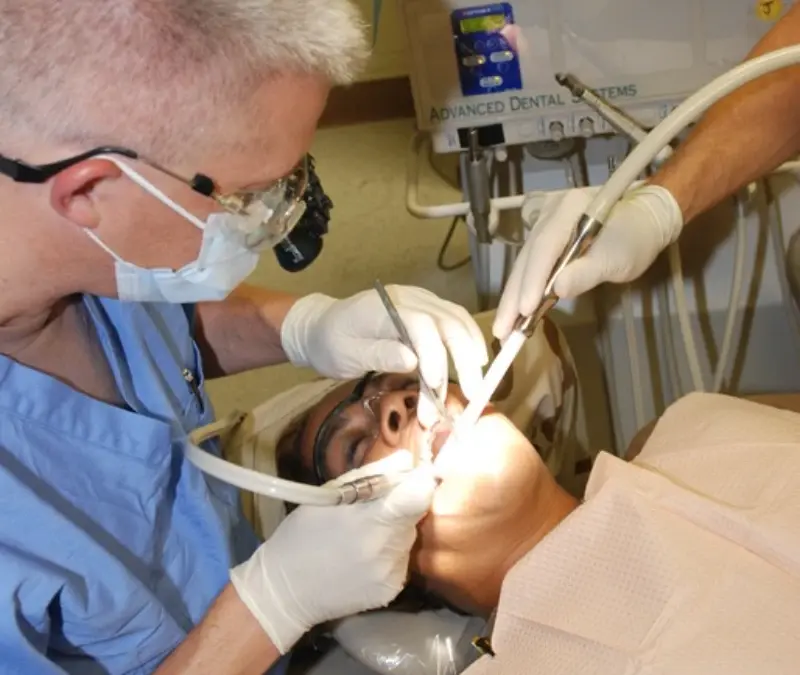
    Dental checkups prevent cavities, gum disease, and oral cancers, while regular eye exams can detect vision problems and conditions like glaucoma or diabetes-related eye damage.
  6. Lifestyle Assessments
    Healthcare providers evaluate diet, exercise, sleep, stress, and other lifestyle factors to recommend changes that reduce long-term health risks.

The Role of Technology in Preventive Healthcare

Modern technology has revolutionized preventive care. Wearable devices, telemedicine, and mobile health apps allow patients to monitor their health in real time.

  1. Wearable Devices
    Smartwatches and fitness trackers monitor heart rate, sleep patterns, physical activity, and even blood oxygen levels. These devices provide valuable data to detect early warning signs of potential health problems.
  2. Telemedicine
    Virtual consultations enable patients to access preventive care remotely, making routine checkups more convenient and accessible, especially for those in remote areas.
  3. Health Apps
    Mobile apps track nutrition, exercise, medication adherence, and provide reminders for screenings or vaccinations, empowering patients to take an active role in their health.

Preventive Healthcare Across Age Groups

  1. Children and Adolescents
    Routine pediatric checkups monitor growth, development, and vaccinations. Early screenings for vision, hearing, and behavioral issues are essential for healthy development.
  2. Adults
    Regular health assessments in adulthood help detect hypertension, diabetes, cholesterol problems, and mental health concerns. Preventive care also includes lifestyle counseling to maintain long-term wellness.
  3. Older Adults
    For seniors, preventive healthcare focuses on managing chronic conditions, fall prevention, and monitoring cognitive health. Screenings for osteoporosis, heart disease, and cancer become particularly important.

Overcoming Barriers to Preventive Care

Despite its benefits, many people skip regular checkups due to time constraints, cost concerns, or lack of awareness. To overcome these barriers:

  • Education: Promote awareness about the importance of early checkups and screenings.
  • Accessible Services: Expand telemedicine and mobile clinics to reach remote populations.
  • Insurance Coverage: Encourage policies that cover preventive care and screenings.
  • Community Programs: Organize wellness campaigns and health fairs to provide screenings and education.

Real-Life Impact of Preventive Healthcare

Preventive healthcare is not just theoretical—it saves lives. For example:

  • Early detection of breast cancer through mammograms increases the 5-year survival rate to over 90%.
  • Regular blood pressure monitoring can prevent heart attacks and strokes by allowing timely interventions.
  • Vaccination programs have virtually eliminated diseases like polio in many countries.

These examples demonstrate how small, proactive steps can have a profound impact on long-term health.


Conclusion

Preventive healthcare is more critical than ever in today’s world. Early checkups, screenings, and lifestyle interventions not only detect health issues before they become serious but also empower individuals to make informed decisions about their well-being. By prioritizing preventive care, we can reduce healthcare costs, improve quality of life, and, most importantly, save lives.

In 2025, the message is clear: don’t wait for symptoms—invest in your health today through regular checkups and proactive care. Prevention is the most powerful medicine.