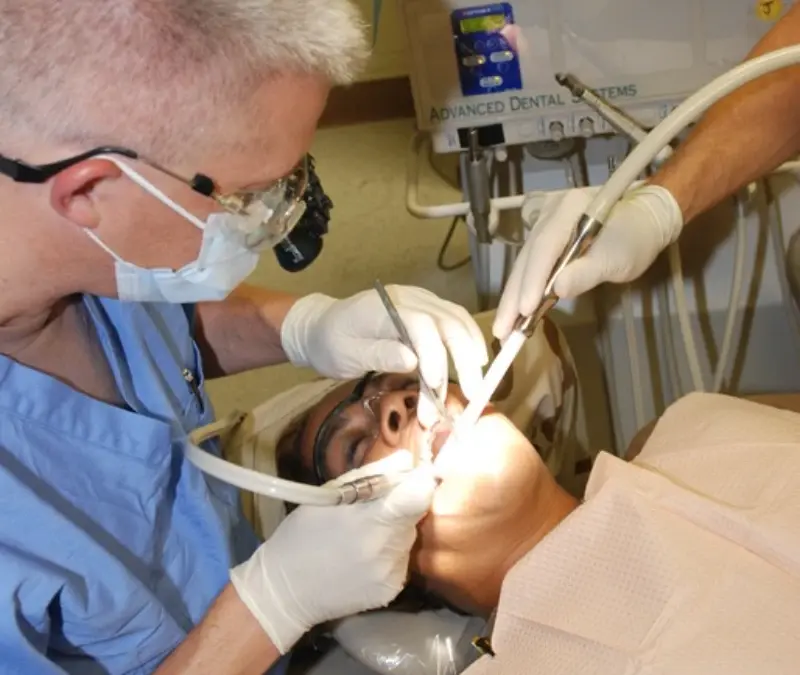
Top 10 Medical Innovations Changing Healthcare in 2025

Top 10 Medical Innovations Changing Healthcare in 2025

Top 10 Medical Innovations Changing Healthcare in 2025

Healthcare is evolving faster than ever, and 2025 marks a turning point where cutting-edge technology, scientific breakthroughs, and innovative practices are transforming patient care worldwide. From early diagnostics to advanced treatment methods, these innovations are improving outcomes, increasing efficiency, and reshaping how we think about health. Let’s explore the top 10 medical innovations changing healthcare in 2025 and why they matter.

1. Artificial Intelligence (AI) and Machine Learning in Diagnostics

Artificial Intelligence (AI) and machine learning are revolutionizing medical diagnostics. By analyzing vast amounts of data—from medical images to patient histories—AI systems can detect patterns and predict diseases with incredible accuracy. For example, AI can analyze CT scans, X-rays, and MRIs faster than humans, often identifying subtle abnormalities that might be missed by traditional methods.

Why it matters: Early and accurate detection of diseases such as cancer, cardiovascular disorders, and neurological conditions allows for timely interventions, improving survival rates and patient outcomes.

Key examples:

  • AI-powered imaging tools for radiology and pathology
  • Predictive algorithms for patient risk assessment
  • Virtual assistants helping doctors prioritize cases

2. Genomics, Gene Editing, and Precision Medicine

Genomic medicine and gene-editing technologies like CRISPR are enabling highly personalized treatment plans. By analyzing a patient’s genetic makeup, doctors can tailor medications and therapies to maximize effectiveness while minimizing side effects.

Why it matters: Precision medicine is moving healthcare away from a “one-size-fits-all” model toward treatments designed specifically for an individual’s DNA, lifestyle, and environment.

Key examples:

  • Gene therapy for rare inherited disorders
  • Personalized cancer vaccines
  • mRNA treatments beyond vaccines, targeting diseases such as cancer and autoimmune disorders

3. Wearable Devices and Remote Patient Monitoring

Wearables are no longer simple fitness trackers—they are now essential medical tools. Modern devices monitor heart rate, blood pressure, glucose levels, oxygen saturation, and even sleep quality. This data is sent to healthcare providers in real time, enabling continuous monitoring.

Why it matters: Chronic disease management improves, hospital admissions decrease, and early intervention becomes possible before conditions escalate.

Key examples:

  • Continuous glucose monitors for diabetes management
  • Smart patches tracking vital signs in cardiac patients
  • Remote telemetry for post-operative recovery monitoring

4. Telemedicine and Virtual Care

Telemedicine has grown exponentially, offering patients remote consultations, virtual checkups, and mental health support. In 2025, telemedicine is integrated with AI diagnostics, wearable data, and real-time patient monitoring, making care more efficient and accessible.

Why it matters: Telemedicine reduces the need for in-person visits, saves time, and expands access to healthcare for people in remote or underserved areas.

Key examples:

  • Virtual follow-ups for chronic disease management
  • Telepsychiatry for mental health support
  • Integration with electronic health records (EHRs) for seamless care

5. Robotics and Minimally Invasive Surgery

Robotic-assisted surgery is becoming more advanced, allowing surgeons to perform complex procedures with higher precision and smaller incisions. This reduces patient trauma, shortens recovery times, and lowers the risk of complications.

Why it matters: Patients experience faster healing, fewer hospital stays, and better surgical outcomes.

Key examples:

  • Robotic-assisted orthopedic surgeries
  • Precision tumor removal in oncology
  • Microsurgery and delicate cardiovascular procedures

6. 3D Bioprinting and Regenerative Medicine

3D bioprinting is revolutionizing organ and tissue creation. Scientists can now print scaffolds for tissue regeneration, vascularized implants, and even experimental organ replacements. Combined with regenerative medicine, these technologies may reduce organ transplant shortages and allow for patient-specific implants.

Why it matters: This innovation has the potential to save lives, reduce transplant waitlists, and improve recovery from severe injuries.

Key examples:

  • 3D-printed spinal implants
  • Bioprinted skin for burn patients
  • Lab-grown organ tissues for research and transplantation

7. Smart Hospitals, IoT, and Digital Twins

Hospitals are becoming “smart” with the integration of IoT sensors, automated systems, and digital twin technology. Digital twins create virtual replicas of hospital operations to optimize workflow, resource allocation, and patient care.

Why it matters: Smart hospitals improve operational efficiency, reduce errors, and enhance patient experience while ensuring better infection control and safety.

Key examples:

  • UV-disinfection robots
  • Sensors tracking patient movements and equipment
  • Digital twin simulations to optimize hospital staffing and bed occupancy

8. Advanced Drug Discovery and Nanomedicine

AI-driven drug discovery and nanotechnology are accelerating the development of new therapies. Nanomedicine allows drugs to target diseased cells directly, minimizing side effects and improving effectiveness.

Why it matters: Faster drug development means quicker access to life-saving treatments and more precise targeting of diseases.

Key examples:

  • AI-designed antibiotics for drug-resistant bacteria
  • Nanoparticle-based cancer treatments
  • Personalized medication delivery systems

9. Virtual Reality (VR) and Augmented Reality (AR) in Healthcare

VR and AR are transforming medical education, surgery, and patient therapy. VR provides immersive training for surgeons, while AR overlays real-time data during operations. VR is also used for rehabilitation, pain management, and mental health therapies.

Why it matters: These technologies improve training outcomes, reduce surgical errors, and offer innovative treatment modalities.

Key examples:

  • AR-guided orthopedic surgeries
  • VR rehabilitation for stroke patients
  • Pain management using immersive VR experiences

10. Neurotechnology and Bioelectronic Medicine

Neurotechnology and bioelectronic medicine focus on interfacing electronics with the nervous system. Brain-computer interfaces (BCIs) and nerve-stimulating devices are helping treat conditions like epilepsy, chronic pain, and paralysis.

Why it matters: These innovations open new treatment avenues for conditions that were previously difficult or impossible to manage, improving quality of life for many patients.

Key examples:

  • Implantable devices regulating organ function
  • Non-invasive brain stimulation for mood disorders
  • BCIs restoring mobility in patients with spinal cord injuries

Conclusion

The healthcare landscape in 2025 is being transformed by these ten groundbreaking innovations. From AI-driven diagnostics and precision medicine to robotics, 3D bioprinting, and neurotechnology, these advancements are improving patient outcomes, increasing efficiency, and making healthcare more personalized and accessible than ever before.

As technology continues to evolve, the healthcare sector will see even greater integration of digital tools, predictive analytics, and personalized treatment solutions. Staying informed about these innovations is essential for healthcare providers, patients, and anyone interested in the future of medicine.

In 2025, healthcare isn’t just about treatment—it’s about transformation, prediction, and prevention. The innovations listed above are leading the way toward a smarter, healthier world.

Common Medical Tests and What They Reveal

Common Medical Tests and What They Reveal

Regular medical testing is a cornerstone of preventive healthcare. Whether you’re visiting a doctor for a routine checkup or investigating specific symptoms, medical tests provide essential insights into your body’s health. These tests help detect diseases early, monitor existing conditions, and guide treatment decisions. Understanding the purpose and significance of common medical tests can empower you to take charge of your health.

1. Complete Blood Count (CBC)

The Complete Blood Count (CBC) is one of the most frequently ordered blood tests. It evaluates overall health and detects a wide range of disorders, including anemia, infection, and leukemia.

What it measures:

  • Red Blood Cells (RBCs): Carry oxygen throughout the body. Low levels can indicate anemia, while high levels may suggest dehydration or other disorders.
  • White Blood Cells (WBCs): Defend against infection. Elevated counts may indicate infection or inflammation; low counts may suggest bone marrow problems.
  • Hemoglobin and Hematocrit: Reflect the oxygen-carrying capacity of blood.
  • Platelets: Essential for blood clotting. Abnormal counts can indicate bleeding disorders or bone marrow disease.

Why it matters: CBC provides a snapshot of your overall health and can help detect problems early, often before symptoms appear.


2. Basic Metabolic Panel (BMP)

The Basic Metabolic Panel (BMP) measures key chemicals and electrolytes in the blood. It helps assess your metabolism, kidney function, and electrolyte balance.

What it measures:

  • Glucose: Blood sugar levels, important for diabetes detection.
  • Calcium: Vital for bones, muscles, and nerves.
  • Electrolytes (Sodium, Potassium, Chloride, Bicarbonate): Maintain fluid balance and heart function.
  • Kidney Function (BUN, Creatinine): Indicates how well your kidneys are filtering waste.

Why it matters: BMP helps monitor metabolic health, kidney function, and the effects of medications.


3. Lipid Profile

A lipid profile measures fats in the blood, including cholesterol and triglycerides, which are key indicators of cardiovascular health.

What it measures:

  • Total Cholesterol: Overall cholesterol levels.
  • LDL (Low-Density Lipoprotein): “Bad” cholesterol that can build up in arteries.
  • HDL (High-Density Lipoprotein): “Good” cholesterol that helps remove LDL from arteries.
  • Triglycerides: Fats that can increase heart disease risk if elevated.

Why it matters: High cholesterol or triglycerides can increase the risk of heart attack, stroke, and atherosclerosis. A lipid profile helps guide dietary changes, medications, and lifestyle adjustments.


4. Liver Function Tests (LFTs)

Liver function tests assess the health of your liver, an organ critical for detoxification, metabolism, and digestion.

What it measures:

  • ALT and AST: Enzymes released when liver cells are damaged.
  • Alkaline Phosphatase (ALP): High levels may indicate bile duct problems.
  • Bilirubin: Elevated levels can suggest liver disease or bile duct obstruction.
  • Albumin and Total Protein: Assess liver’s synthetic function.

Why it matters: LFTs help detect liver disease early, monitor chronic conditions, and evaluate the effects of medications.


5. Kidney Function Tests

Kidney function tests measure how efficiently your kidneys filter waste and maintain fluid and electrolyte balance.

What it measures:

  • Blood Urea Nitrogen (BUN) and Creatinine: Waste products filtered by kidneys; high levels indicate reduced kidney function.
  • Estimated Glomerular Filtration Rate (eGFR): Indicates kidney health.

Why it matters: Early detection of kidney disease can prevent progression to kidney failure and inform dietary and medication adjustments.


6. Thyroid Function Tests (TFTs)

Thyroid tests assess the activity of the thyroid gland, which regulates metabolism, energy, and growth.

What it measures:

  • TSH (Thyroid Stimulating Hormone): High TSH may indicate hypothyroidism; low TSH may indicate hyperthyroidism.
  • T3 and T4: Hormones produced by the thyroid that regulate metabolism.

Why it matters: Thyroid disorders can affect energy levels, weight, heart rate, and mood. TFTs help diagnose and manage these conditions.


7. Blood Sugar Tests

Blood sugar tests are crucial for detecting and managing diabetes.

Common tests:

  • Fasting Blood Sugar (FBS): Measures blood sugar after fasting.
  • HbA1c: Reflects average blood sugar over 2–3 months.
  • Oral Glucose Tolerance Test (OGTT): Measures blood sugar response after consuming glucose.

Why it matters: Early detection of diabetes or prediabetes allows for lifestyle interventions and medication adjustments, preventing long-term complications such as kidney disease, heart disease, and neuropathy.


8. Urinalysis

Urinalysis examines urine for signs of infection, kidney disease, diabetes, or other systemic conditions.

What it reveals:

  • Color, Clarity, and Odor: Can indicate dehydration or infection.
  • Protein and Glucose: High levels may suggest kidney issues or diabetes.
  • Red and White Blood Cells: May indicate infection or urinary tract disorders.

Why it matters: It is a simple yet powerful test for detecting systemic issues early.


9. Electrocardiogram (ECG or EKG)

An ECG measures the electrical activity of the heart. It detects irregular heart rhythms, heart attacks, and other cardiac conditions.

What it reveals:

  • Heart Rate and Rhythm: Detects arrhythmias.
  • Signs of Heart Attack: Past or ongoing cardiac events.
  • Structural Changes: Enlargement of heart chambers.

Why it matters: Early detection of heart issues can prevent serious events such as heart attacks or strokes.


10. Imaging Tests

Imaging tests provide visual insights into internal organs, bones, and tissues.

Common imaging tests:

  • X-rays: Detect fractures, infections, and chest conditions.
  • Ultrasound: Monitors soft tissue, pregnancy, and organ health.
  • CT Scans: Detailed cross-sectional images for tumors, injuries, or vascular issues.
  • MRI: High-resolution imaging for soft tissue, brain, and spinal cord conditions.

Why it matters: Imaging complements blood and urine tests by offering a detailed look inside the body, aiding in accurate diagnosis and treatment planning.


Conclusion

Medical tests are vital tools for preventive care and disease management. From routine blood work to advanced imaging, each test provides insights into your health that may not be visible externally. Regular testing allows for early detection of conditions, timely intervention, and informed decisions about treatment and lifestyle.

Being proactive about medical tests empowers individuals to maintain their health, manage chronic conditions, and prevent complications. By understanding what each test reveals, patients can have meaningful discussions with healthcare providers, making healthcare more effective and personalized.

Remember: Your health is your most valuable asset. Regular medical tests help ensure you maintain it, detect issues early, and take control of your well-being for years to come.Regular medical testing is a cornerstone of preventive healthcare. Whether you’re visiting a doctor for a routine checkup or investigating specific symptoms, medical tests provide essential insights into your body’s health. These tests help detect diseases early, monitor existing conditions, and guide treatment decisions. Understanding the purpose and significance of common medical tests can empower you to take charge of your health.

1. Complete Blood Count (CBC)

The Complete Blood Count (CBC) is one of the most frequently ordered blood tests. It evaluates overall health and detects a wide range of disorders, including anemia, infection, and leukemia.

What it measures:

  • Red Blood Cells (RBCs): Carry oxygen throughout the body. Low levels can indicate anemia, while high levels may suggest dehydration or other disorders.
  • White Blood Cells (WBCs): Defend against infection. Elevated counts may indicate infection or inflammation; low counts may suggest bone marrow problems.
  • Hemoglobin and Hematocrit: Reflect the oxygen-carrying capacity of blood.
  • Platelets: Essential for blood clotting. Abnormal counts can indicate bleeding disorders or bone marrow disease.

Why it matters: CBC provides a snapshot of your overall health and can help detect problems early, often before symptoms appear.


2. Basic Metabolic Panel (BMP)

The Basic Metabolic Panel (BMP) measures key chemicals and electrolytes in the blood. It helps assess your metabolism, kidney function, and electrolyte balance.

What it measures:

  • Glucose: Blood sugar levels, important for diabetes detection.
  • Calcium: Vital for bones, muscles, and nerves.
  • Electrolytes (Sodium, Potassium, Chloride, Bicarbonate): Maintain fluid balance and heart function.
  • Kidney Function (BUN, Creatinine): Indicates how well your kidneys are filtering waste.

Why it matters: BMP helps monitor metabolic health, kidney function, and the effects of medications.


3. Lipid Profile

A lipid profile measures fats in the blood, including cholesterol and triglycerides, which are key indicators of cardiovascular health.

What it measures:

  • Total Cholesterol: Overall cholesterol levels.
  • LDL (Low-Density Lipoprotein): “Bad” cholesterol that can build up in arteries.
  • HDL (High-Density Lipoprotein): “Good” cholesterol that helps remove LDL from arteries.
  • Triglycerides: Fats that can increase heart disease risk if elevated.

Why it matters: High cholesterol or triglycerides can increase the risk of heart attack, stroke, and atherosclerosis. A lipid profile helps guide dietary changes, medications, and lifestyle adjustments.


4. Liver Function Tests (LFTs)

Liver function tests assess the health of your liver, an organ critical for detoxification, metabolism, and digestion.

What it measures:

  • ALT and AST: Enzymes released when liver cells are damaged.
  • Alkaline Phosphatase (ALP): High levels may indicate bile duct problems.
  • Bilirubin: Elevated levels can suggest liver disease or bile duct obstruction.
  • Albumin and Total Protein: Assess liver’s synthetic function.

Why it matters: LFTs help detect liver disease early, monitor chronic conditions, and evaluate the effects of medications.


5. Kidney Function Tests

Kidney function tests measure how efficiently your kidneys filter waste and maintain fluid and electrolyte balance.

What it measures:

  • Blood Urea Nitrogen (BUN) and Creatinine: Waste products filtered by kidneys; high levels indicate reduced kidney function.
  • Estimated Glomerular Filtration Rate (eGFR): Indicates kidney health.

Why it matters: Early detection of kidney disease can prevent progression to kidney failure and inform dietary and medication adjustments.


6. Thyroid Function Tests (TFTs)

Thyroid tests assess the activity of the thyroid gland, which regulates metabolism, energy, and growth.

What it measures:

  • TSH (Thyroid Stimulating Hormone): High TSH may indicate hypothyroidism; low TSH may indicate hyperthyroidism.
  • T3 and T4: Hormones produced by the thyroid that regulate metabolism.

Why it matters: Thyroid disorders can affect energy levels, weight, heart rate, and mood. TFTs help diagnose and manage these conditions.


7. Blood Sugar Tests

Blood sugar tests are crucial for detecting and managing diabetes.

Common tests:

  • Fasting Blood Sugar (FBS): Measures blood sugar after fasting.
  • HbA1c: Reflects average blood sugar over 2–3 months.
  • Oral Glucose Tolerance Test (OGTT): Measures blood sugar response after consuming glucose.

Why it matters: Early detection of diabetes or prediabetes allows for lifestyle interventions and medication adjustments, preventing long-term complications such as kidney disease, heart disease, and neuropathy.


8. Urinalysis

Urinalysis examines urine for signs of infection, kidney disease, diabetes, or other systemic conditions.

What it reveals:

  • Color, Clarity, and Odor: Can indicate dehydration or infection.
  • Protein and Glucose: High levels may suggest kidney issues or diabetes.
  • Red and White Blood Cells: May indicate infection or urinary tract disorders.

Why it matters: It is a simple yet powerful test for detecting systemic issues early.


9. Electrocardiogram (ECG or EKG)

An ECG measures the electrical activity of the heart. It detects irregular heart rhythms, heart attacks, and other cardiac conditions.

What it reveals:

  • Heart Rate and Rhythm: Detects arrhythmias.
  • Signs of Heart Attack: Past or ongoing cardiac events.
  • Structural Changes: Enlargement of heart chambers.

Why it matters: Early detection of heart issues can prevent serious events such as heart attacks or strokes.


10. Imaging Tests

Imaging tests provide visual insights into internal organs, bones, and tissues.

Common imaging tests:

  • X-rays: Detect fractures, infections, and chest conditions.
  • Ultrasound: Monitors soft tissue, pregnancy, and organ health.
  • CT Scans: Detailed cross-sectional images for tumors, injuries, or vascular issues.
  • MRI: High-resolution imaging for soft tissue, brain, and spinal cord conditions.

Why it matters: Imaging complements blood and urine tests by offering a detailed look inside the body, aiding in accurate diagnosis and treatment planning.


Conclusion

Medical tests are vital tools for preventive care and disease management. From routine blood work to advanced imaging, each test provides insights into your health that may not be visible externally. Regular testing allows for early detection of conditions, timely intervention, and informed decisions about treatment and lifestyle.

Being proactive about medical tests empowers individuals to maintain their health, manage chronic conditions, and prevent complications. By understanding what each test reveals, patients can have meaningful discussions with healthcare providers, making healthcare more effective and personalized.

Remember: Your health is your most valuable asset. Regular medical tests help ensure you maintain it, detect issues early, and take control of your well-being for years to come.